
POWERING YOUR FLEET'S
SAFETY: EMERGENCY & WARNING LIGHTS
Professional Supply & Expert Fitment of Warning Lights for Construction Vehicles, Trucks, Ambulances and more in South Africa
OUR LIGHTING SOLUTIONS
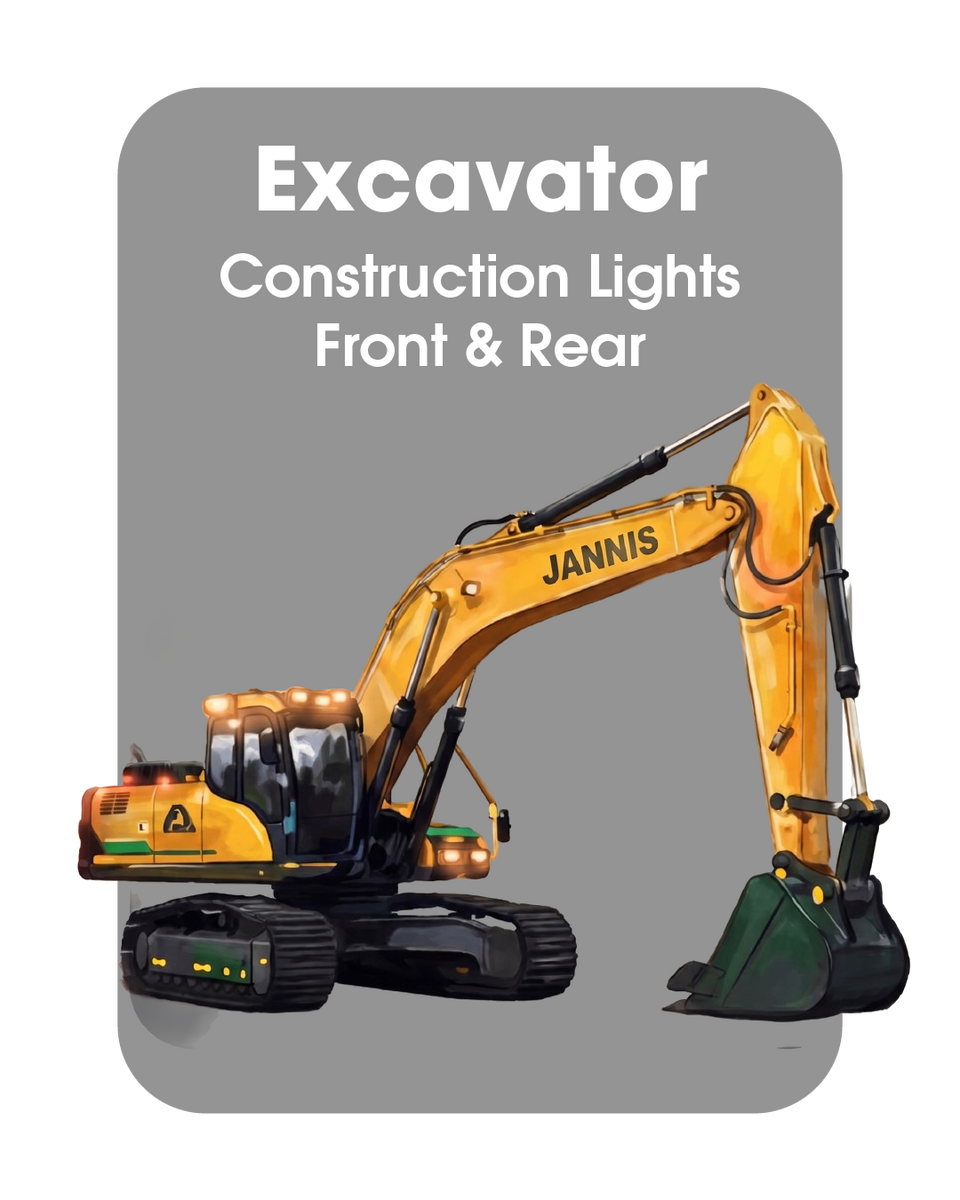
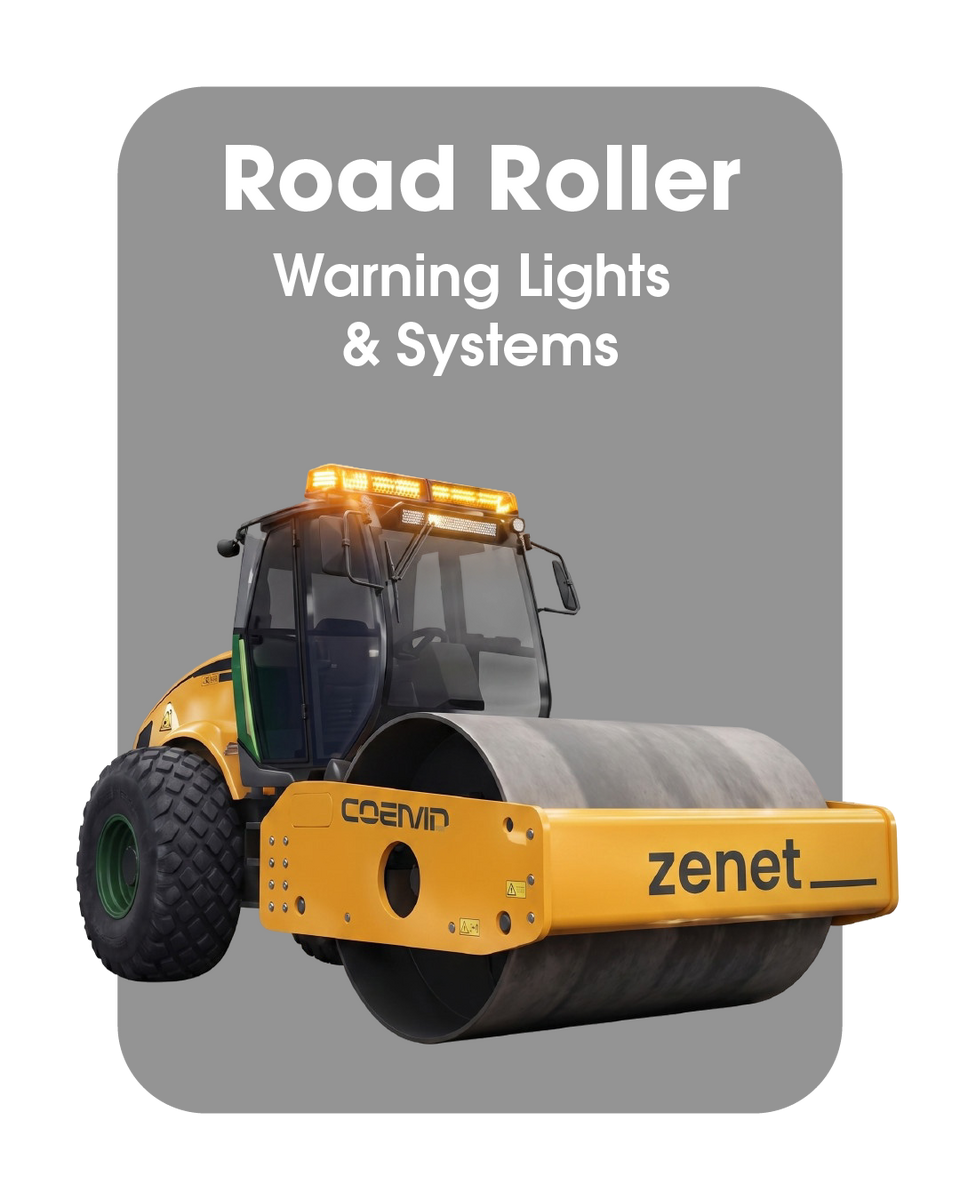
About Us
UNCOMPROMISING SAFETY, EXCEPTIONAL FITMENT
When it comes to vehicle warning systems, precision matters. Zenet is your trusted partner for the supply and fitment of emergency and caution lights across South Africa. We stock and install a comprehensive range of automotive safety lighting, including LED strobe lights, directional warning boards, and heavy-duty lightbars. Our expert fitment centers and mobile installation teams cater to trucks, excavators, ambulances, and specialized fleets, ensuring perfect electrical integration without compromising your vehicle's warranty. Equip your fleet with the best emergency vehicle lights on the market and experience safety without compromise.
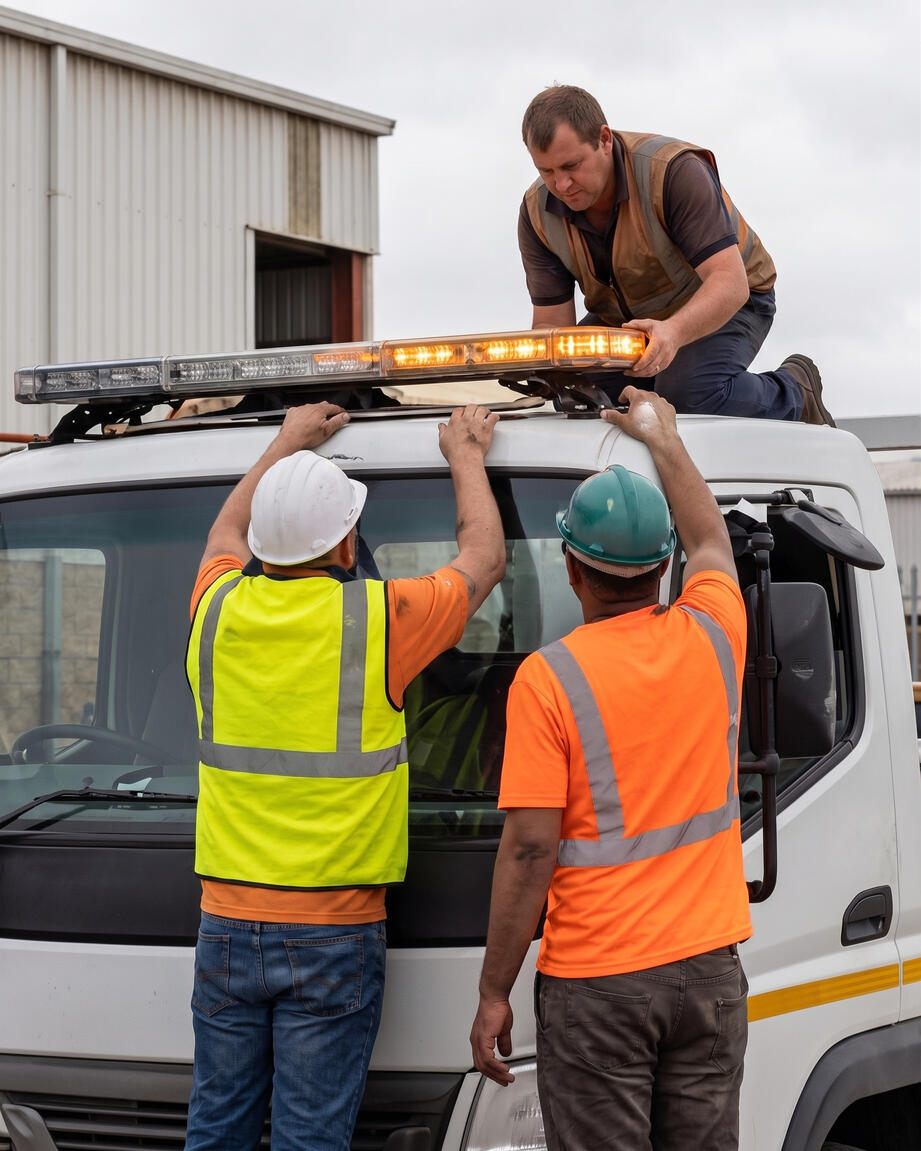
Our Speciality
TAILORED SOLUTIONS FOR EVERY SECTOR

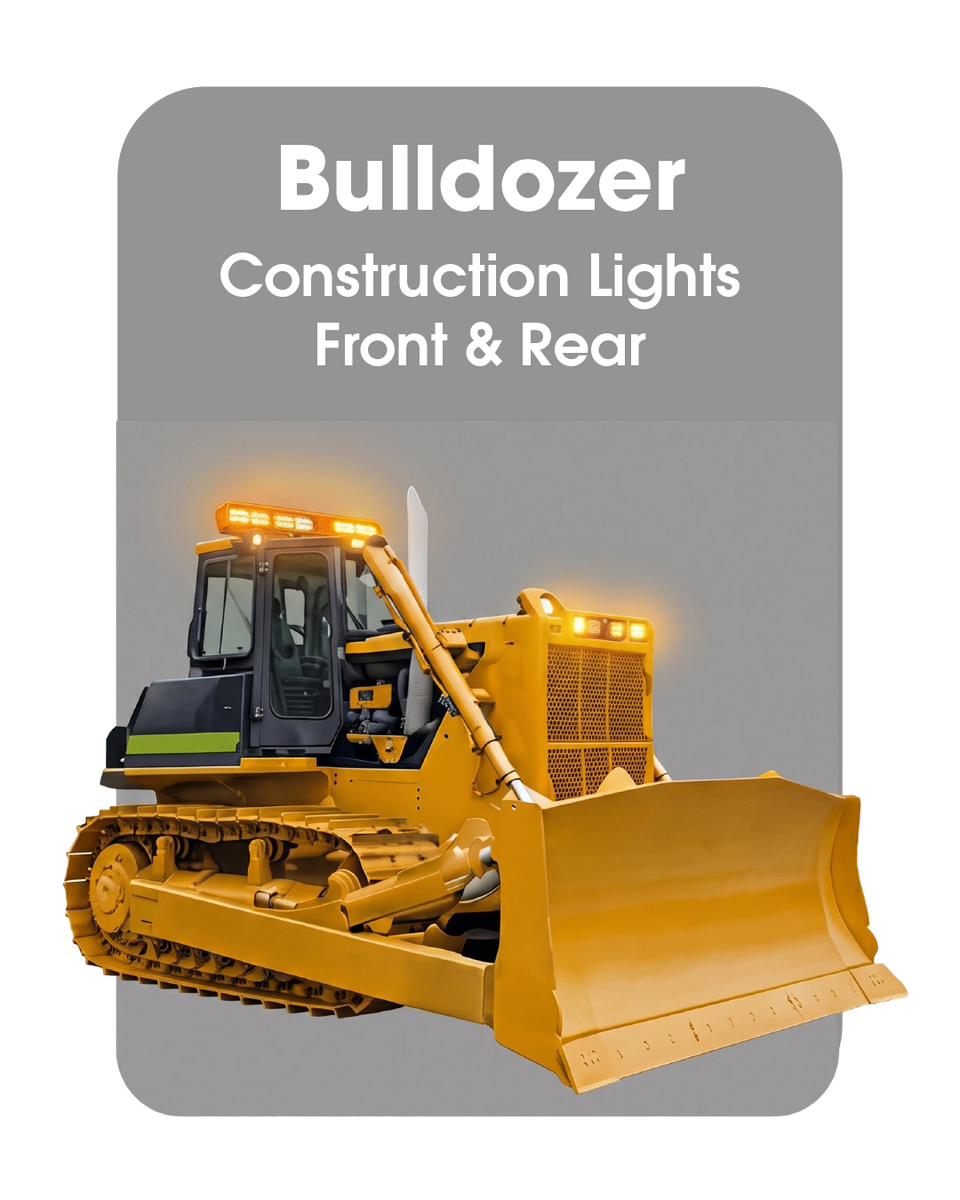
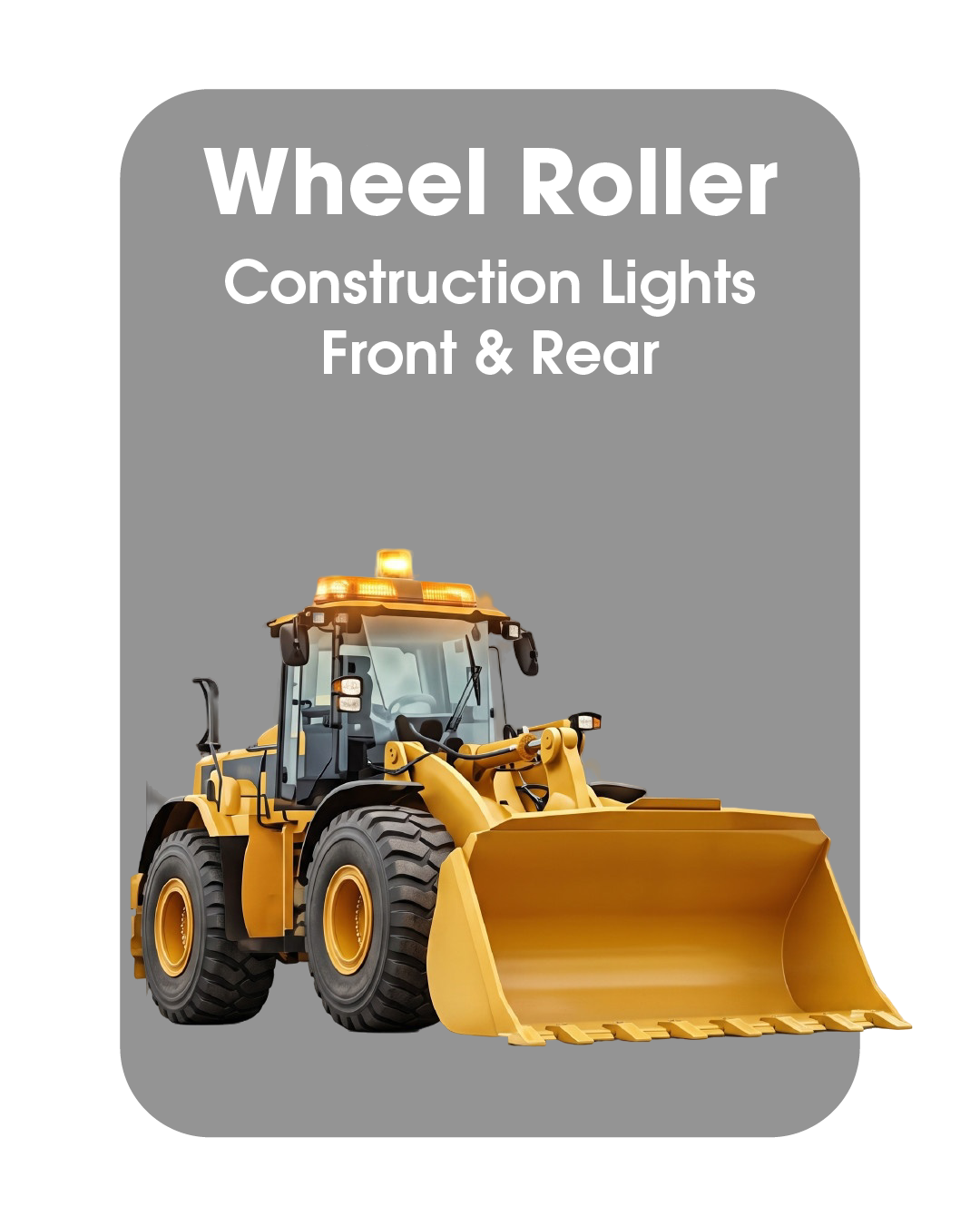
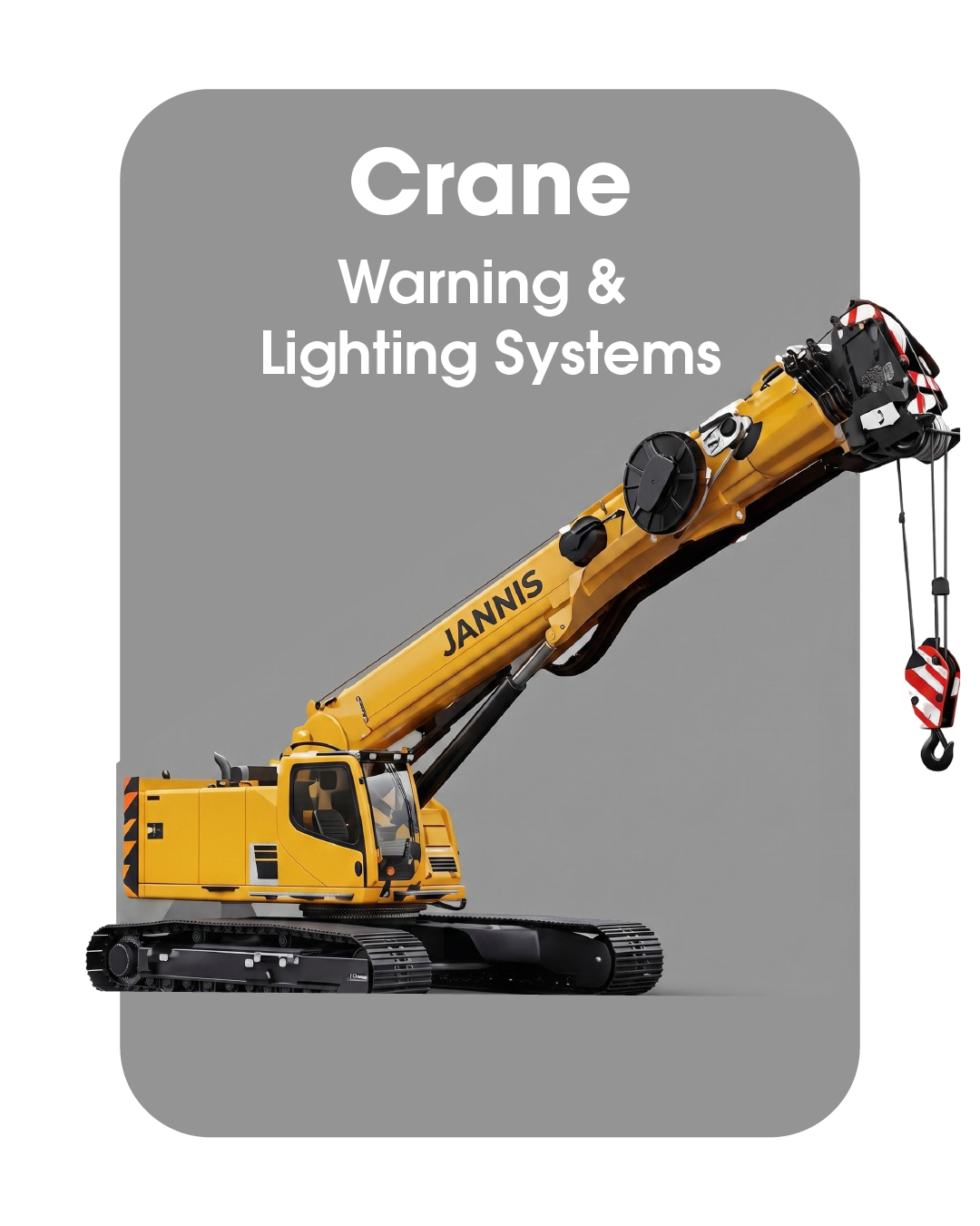
CONSTRUCTION & MINING
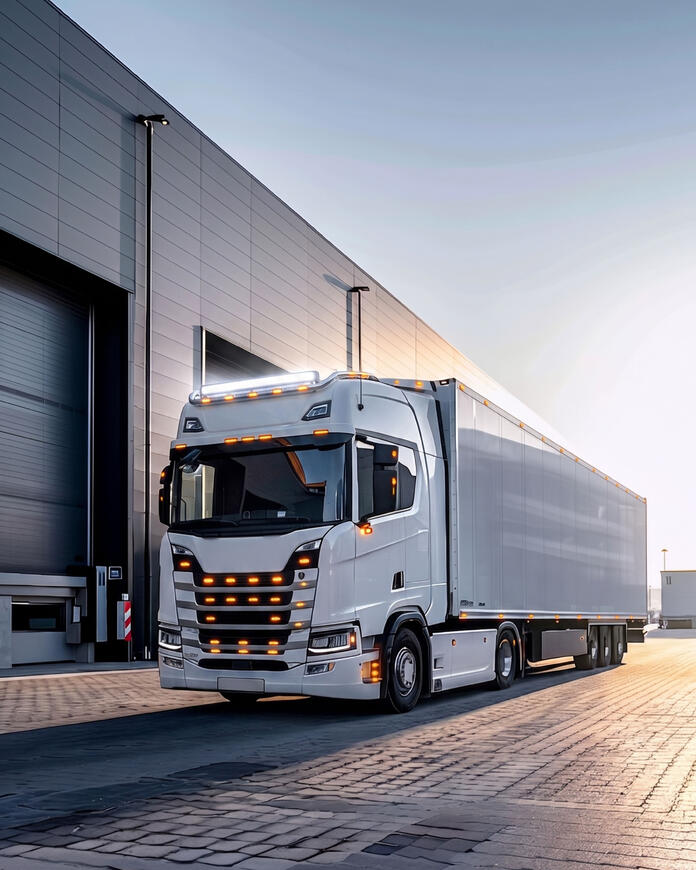
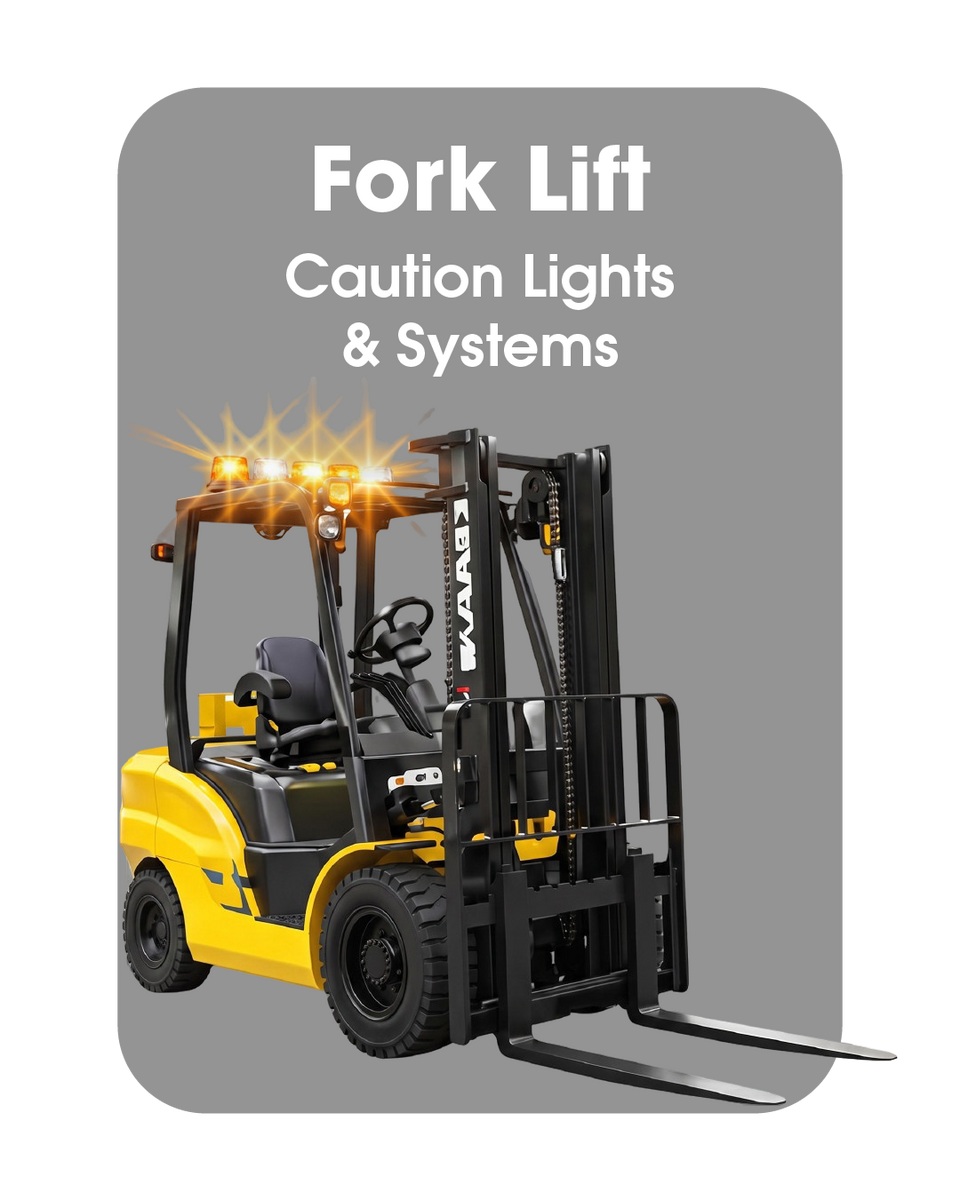
LOGISTICS & TRUCKING
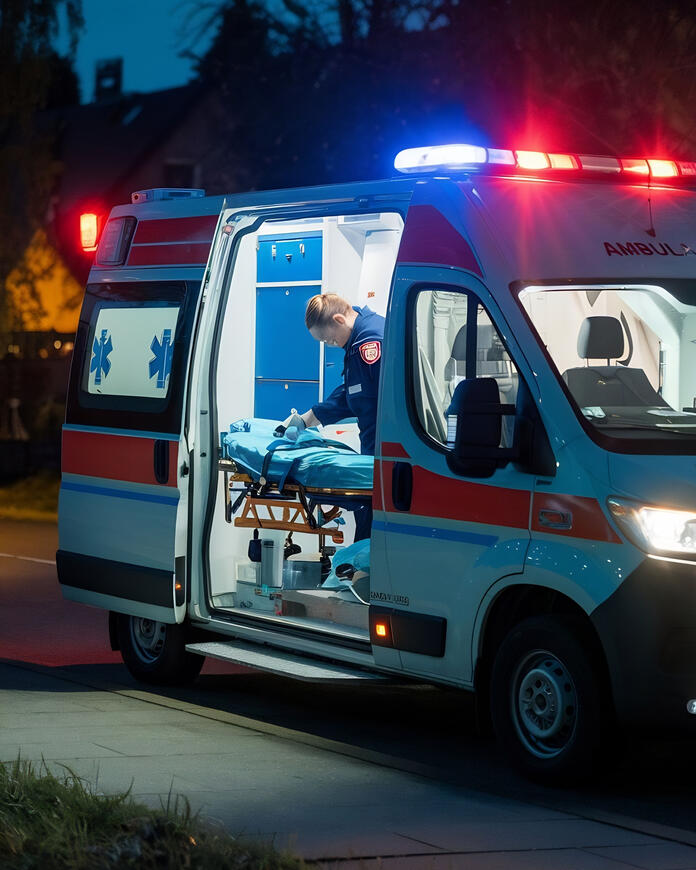
EMERGENCY SERVICES
GET YOUR CUSTOMIZED
QUOTE OR CATALOGUE
Fill in the details below and we will get back to you with a quote, or email you our full catalogue

Areas We Service
Zenet is situated in Observatory, Johannesburg . We service a large client base, spanning from heavy industrial and mining contracts to commercial facilities and domestic houses. We take great pride in delivering the best possible service to our customers across South Africa and have received numerous industry awards in recognition of our commitment to quality, safety, and reliability.Our business covers the following mining and industrial areas across South Africa:Gauteng
Our business covers the following areas:
Alberton | Boksburg | Brakpan | Carletonville | Centurion | Cullinan | Ekangala | Fochville | Germiston | Hammanskraal | Heidelberg | Isando | Krugersdorp | Magaliesburg | Meyerton | Midrand | Nigel | Randburg | Randfontein | Roodepoort | Sandton | Springs | Vanderbijlpark | Vereeniging | WestonariaNorth West
Our business covers the following areas:
Bapong | Brits | Broederstroom | Christiana | Coligny | Hartbeespoort | Klerksdorp | Koster | Lichtenburg | Mabopane | Makapanstad | Marikana | Mooinooi | Orkney | Phokeng | Potchefstroom | Rustenburg | Stella | Stilfontein | Swartruggens | Taung | Ventersdorp | Vryburg | Wolmaransstad | ZeerustMpumalanga
Our business covers the following areas:
Amersfoort | Balfour | Barberton | Belfast | Bethal | Breyten | Carolina | Delmas | Dullstroom | eMalahleni (Witbank) | Ermelo | Evander | Graskop | Hazyview | Komatipoort | Kriel | Lydenburg (Mashishing) | Machadodorp | Malalane | Middelburg | Nelspruit (Mbombela) | Pilgrim's Rest | Secunda | Standerton | Volksrust | White RiverLimpopo
Our business covers the following areas:
Bela-Bela | Burgersfort | Dendron | Duiwelskloof | Ellisras (Lephalale) | Gravelotte | Haenertsburg | Hoedspruit | Louis Trichardt (Makhado) | Modikwa | Modimolle | Mokopane (Potgietersrus) | Musina (Messina) | Naboomspruit | Phalaborwa | Polokwane (Pietersburg) | Roedtan | Steelpoort | Thabazimbi | Tzaneen | VenetiaFree State
Our business covers the following areas:
Allanridge | Bethlehem | Bloemfontein | Boshof | Bothaville | Bultfontein | Clocolan | Cornelia | Deneysville | Frankfort | Harrismith | Hennenman | Jagersfontein | Koffiefontein | Kroonstad | Odendaalsrus | Parys | Phuthaditjhaba | Reitz | Sasolburg | Senekal | Theunissen | Viljoenskroon | Virginia | Welkom | ZastronNorthern Cape
Our business covers the following areas:
Aggeneys | Alexander Bay | Black Rock | Calvinia | Colesberg | Copperton | Daniëlskuil | De Aar | Groblershoop | Hotazel | Kakamas | Kathu | Keimoes | Kimberley | Kleinzee | Kuruman | Lime Acres | Pofadder | Port Nolloth | Postmasburg | Prieska | Sishen | Springbok | Upington | Victoria WestKwaZulu-Natal
Our business covers the following areas:
Amanzimtoti | Ballengeich | Cato Ridge | Colenso | Dannhauser | Dundee | Durban | Empangeni | Estcourt | Glencoe | Hlobane | Kokstad | Ladysmith | Mandeni | Newcastle | Paulpietersburg | Pietermaritzburg | Pinetown | Pongola | Richards Bay | Stanger | Ulundi | Utrecht | Vryheid | WeenenWestern Cape & Eastern Cape (Coastal & Industrial Hubs)
While traditional deep-level mining is less common in these provinces, we service their major industrial, quarrying, and mineral sands operations:
Atlantis | Bellville | Cape Town | Coega | East London | George | Gqeberha (Port Elizabeth) | King William's Town | Milnerton | Mossel Bay | Mthatha | Namakwa Sands | Saldanha Bay | Uitenhage | Vredenburg
Construction & Mining
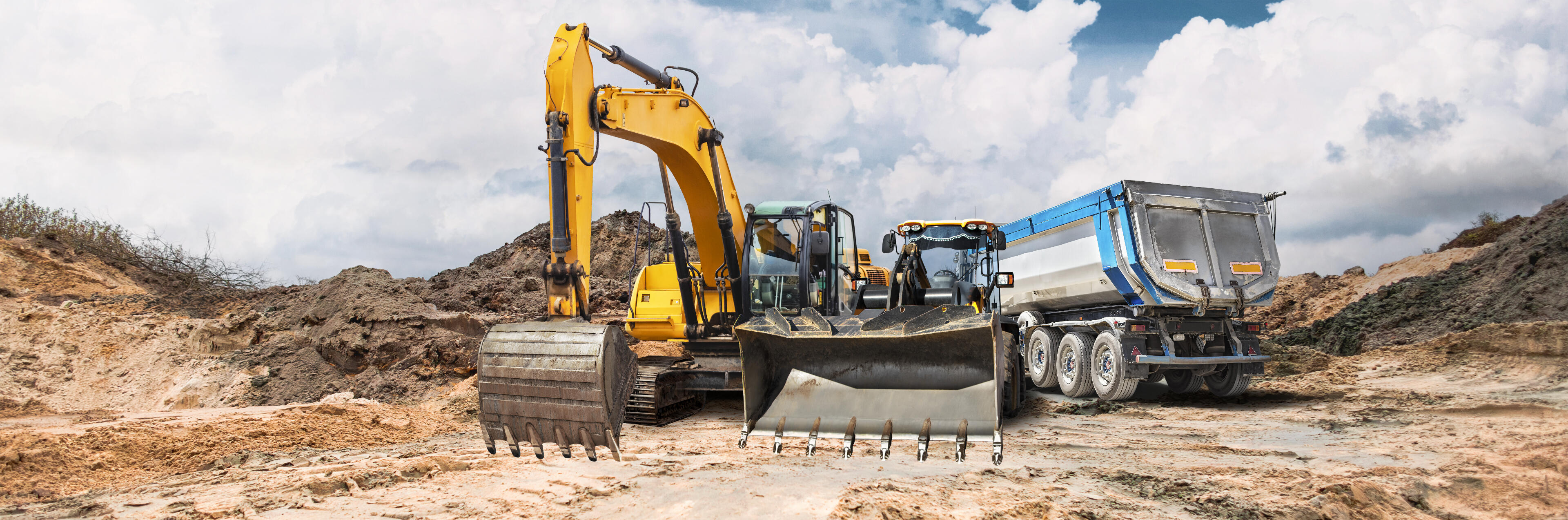
Construction & Mining Vehicle LightingMine sites and construction projects run a mix of trackless mobile machinery (TMM), LDVs, graders, loaders, water bowsers and supervisor bakkies — often moving between public roads, mine surface and underground workings in a single shift. Each environment carries its own rules, and getting the wrong lamp on the wrong vehicle is one of the most common compliance gaps we find on site audits.Underground and surface TMM must carry audible and visual warning systems that satisfy Mine Health and Safety Act 29 of 1996, Chapter 8, Regulation 8.10, which governs collision-avoidance and warning devices for diesel-powered trackless machinery. Where the same vehicle, or any support bakkie, also travels on a public road to or from site, it additionally needs amber identification lighting compliant with Regulation 176 of the National Road Traffic Regulations. On top of the legislated minimums, most mines layer their own code of practice on top — light bar placement, flash pattern, and mandatory reversing alarms are frequently stricter than the statutory floor, so we fit to your mine's COP first and the law second (never the other way round).For this sector we most commonly supply and install:Roof mount beacons and bar lights for haul trucks, graders and loaders needing 360° visibility across open pit and yard areas
Grille lights for site supervisor and safety-officer vehicles that need intermittent warning capability
Marker lights and conspicuity tape for slow-moving plant and abnormal-dimension equipment
Reversing alarms and audible warning devices calibrated to Reg 8.10 requirementsFrequently asked questionsDo all site vehicles need amber beacons, or only vehicles that leave site? Only vehicles operating on a public road are bound by the National Road Traffic Regulations. Vehicles confined entirely to a mine or construction site are instead governed by the site's own code of practice and, where applicable, MHSA Regulation 8.10 — though most sites still specify amber warning lighting as a safety baseline even where it isn't a legal requirement.Is a collision-avoidance system the same thing as a warning beacon? No. A collision-avoidance or proximity-detection system (required under Regulation 8.10 for TMM) is a separate, active safety system from a visual warning beacon. Most mines require both — the beacon makes the vehicle visible to people; the collision-avoidance system actively detects pedestrians and other machinery.Can we fit the same lighting package across a mixed fleet of old and new machines? Not always — mounting points, voltage and OEM wiring differ between machine generations. We assess each vehicle type on your fleet list rather than quoting a single blanket package.
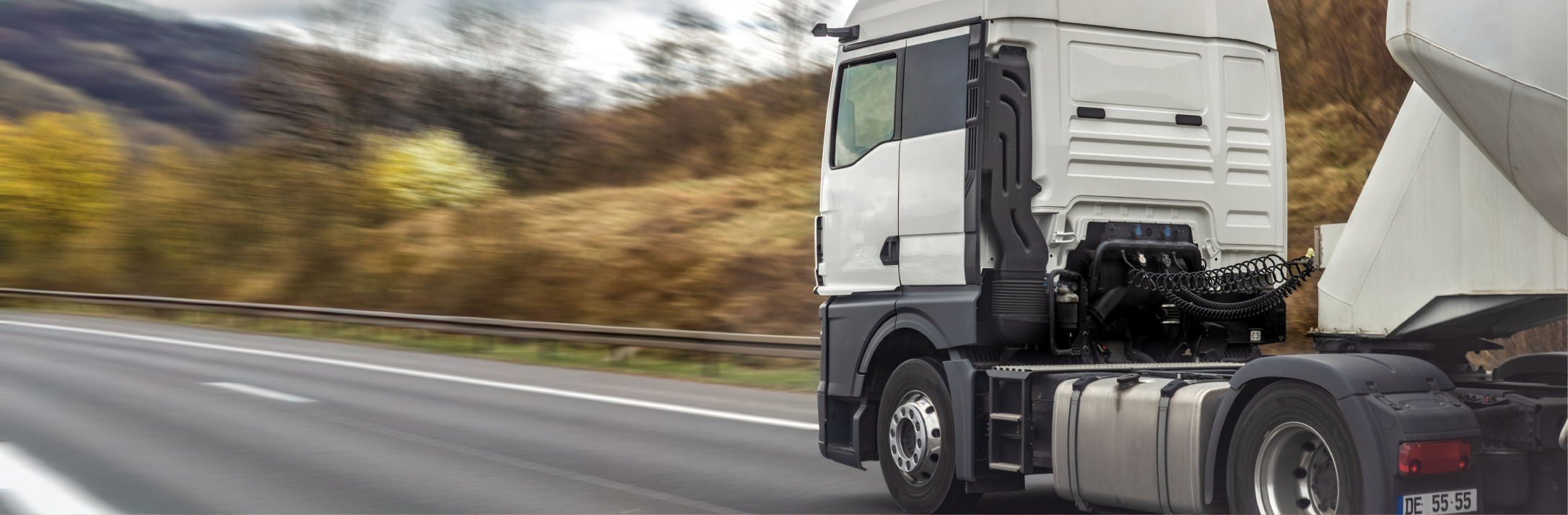
Logistics & Trucking Vehicle LightingFreight, haulage and breakdown/recovery operators face a different compliance picture: your vehicles spend almost all their time on public roads, so the National Road Traffic Regulations are the primary rulebook, with abnormal load and breakdown work triggering additional lighting obligations that ordinary delivery vehicles don't need.Regulation 176(4) requires breakdown vehicles to carry an intermittently-flashing amber lamp, restricted to use at the breakdown site, during towing, or while escorting an abnormal load — it isn't a general-purpose warning light for everyday driving. Abnormal and oversized loads carry their own escort and marking requirements on top of this, which is where correctly specified roof mount beacons or bar lights, paired with marker lights and retro-reflective conspicuity treatments meeting the ECE Regulation 104 standard for heavy and long vehicles, become essential — both for legal compliance and for giving other road users enough warning distance at highway speeds.Fleet operators also under-invest in conspicuity tape and marker lights far more than in beacons — yet reflective marking is what keeps a stationary or slow-moving heavy vehicle visible to oncoming traffic at night, and it degrades over time in a way beacons don't.What we typically fit for this sector:Roof mount and bar lights for breakdown, recovery and abnormal load escort vehicles
Marker lights and ECE R104-compliant conspicuity tape for trailers, tautliners and long-vehicle combinations
Dash mount lights for supervisor and pilot vehicles on lower-risk routes
Grille lights for unmarked recovery or security-escort vehiclesFrequently asked questionsCan I fit an amber beacon to a standard delivery truck "just in case"? No — under the closed-list approach of the National Road Traffic Regulations, a lamp not specifically authorised for your vehicle's use case is unlawful, regardless of intent. Amber beacons are restricted to breakdown, maintenance, towing and abnormal load use, not general delivery driving.How often should reflective marking tape be replaced? There's no fixed statutory interval, but degraded, faded or damaged tape no longer meets the retro-reflectivity performance the standard requires — as a rule of thumb, inspect at every service interval and replace at the first sign of dulling, peeling or cracking.Do escort vehicles for abnormal loads need the same lighting as the truck itself? Escort vehicles typically carry their own beacon and signage requirements, separate from the load vehicle — the specific configuration depends on the load's dimensions and the escort permit conditions, so we spec each job individually rather than using a one-size package.
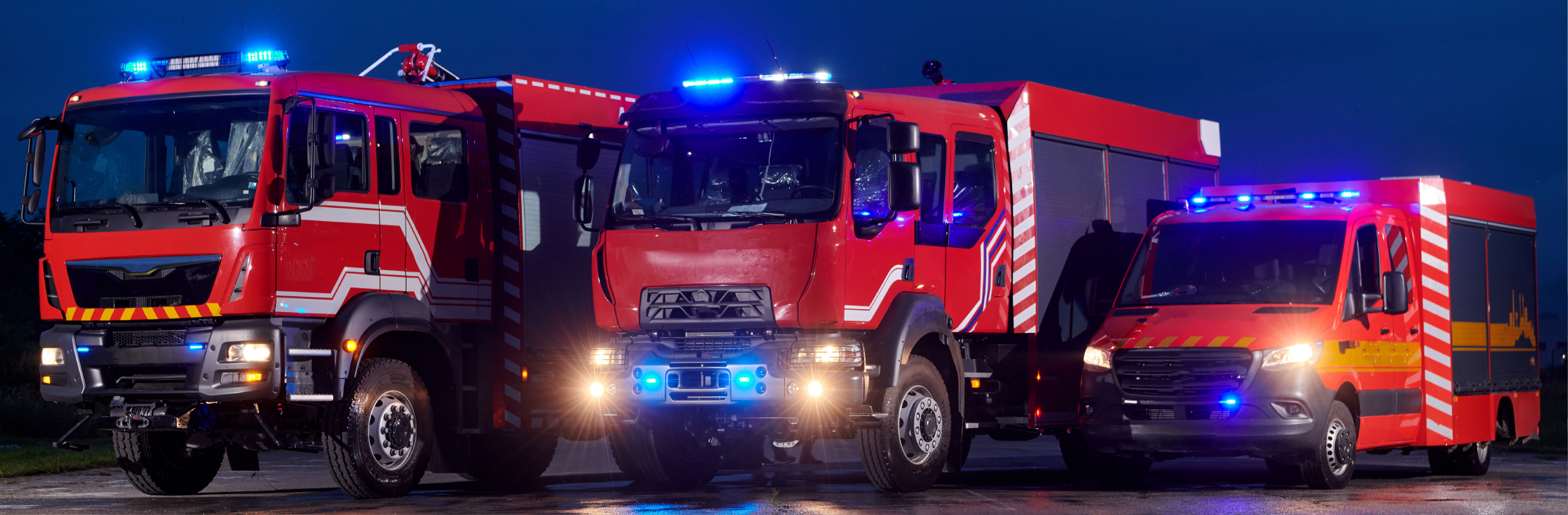
Emergency Services Vehicle LightingAmbulances, fire appliances, rescue units and other authorised response vehicles operate under the tightest and most specific part of the law — fitment here isn't just about visibility, it's about the legal right to disregard certain traffic rules and require other road users to give way, so getting it wrong carries real legal exposure for the operator, not just a compliance flag.Regulation 176(2) permits red flashing identification lamps for ambulances, fire engines and rescue vehicles responding to an emergency. Blue lamps are restricted by law to SAPS, municipal police, traffic officers and specific SANDF members performing police-type duties — a restriction we take seriously and won't fit outside of a verified, authorised entity. Regulation 183 governs flashing headlamp systems for authorised vehicles, Regulation 177 covers spotlamps, and Regulation 201(1) governs lawful siren fitment and use. On the other side of the equation, Regulation 308 is what obliges other drivers to give way to a vehicle lawfully displaying these lamps or sounding a siren — which is exactly why unauthorised or incorrectly fitted lighting is such a serious problem: it undermines the system every legitimate response vehicle depends on.For this sector we supply and fit:Roof mount light bars combining red, and where authorised, blue warning lamps
Sirens and PA/hailer units calibrated and fitted per Regulation 201
Flashing headlamp systems for ambulances and rescue vehicles under Regulation 183
Grille and dash-integrated lighting for unmarked or covert response vehiclesFrequently asked questionsWho is legally allowed to have blue lights fitted? Only SAPS, municipal police services, registered traffic officers, and specified SANDF members performing police functions in the course of their duties. We verify authorisation before any blue-lamp fitment.Can a private security company use red or blue emergency lighting? No. Registered security vehicles are limited to a white lens bar displaying the word "security" and the company name — not red or blue flashing lamps, which are reserved for the vehicle categories set out above.Does fitting a siren automatically give a vehicle the right of way? No — the right of way under Regulation 308 applies only where the lamp or siren is fitted and used lawfully by an authorised vehicle and driver. Unauthorised fitment doesn't create any legal right, and using warning equipment without authorisation is itself an offence.
Our Bespoke Services
# Emergency & Caution Vehicle Lighting, Sirens and Fitment Across South AfricaZenet is situated in Observatory, Johannesburg. We service a large client base, spanning from heavy industrial and mining contracts to commercial fleets, logistics operators, emergency services and domestic vehicles. We take great pride in delivering the best possible fitment and supply service to our customers across South Africa, supplying and installing warning lamps, sirens, dash mounts, roof mounts, light bars, grille lights and marker lights that are matched to the correct legislation and standard for the vehicle, industry and province in which it operates.Whether you're searching for emergency vehicle lighting South Africa, caution lighting for construction vehicles, amber beacon supply and fitment near me, or compliant siren installation for mining vehicles, this guide covers what the law requires, which standards apply, and which lighting configuration suits your fleet.## Why Lawful Fitment MattersFitting the wrong colour, position or type of warning lamp isn't just a compliance risk — it's a safety and liability risk. South African law takes a "closed list" approach to vehicle lighting: only lamps that are specifically prescribed or authorised may be fitted to a vehicle used on a public road. Everything else is unlawful, regardless of intent. This applies equally to a single amber beacon on a bakkie and a full light bar and siren package on a fleet of mining haul trucks.That's why every install we do — dash mount, roof mount, bar light, grille light or marker light — is specified against the relevant statute or standard for your sector, not just picked off a shelf.### Key Legislation We Work To- National Road Traffic Act 93 of 1996 and the National Road Traffic Regulations, 2000 — the primary law governing which lamps, beacons and sirens may be fitted to vehicles on South African public roads.
- Regulation 176 (Identification lamps) — governs flashing red lamps for emergency vehicles, flashing amber lamps for breakdown vehicles and abnormal loads, and white "security" lens bars.
- Regulation 177 — governs swivelling spotlamps and related equipment on emergency and law-enforcement vehicles.
- Regulation 183 — flashing headlamp provisions for ambulances and other authorised vehicles.
- Regulation 201(1) — the lawful fitment and use of sirens on authorised vehicles.
- Regulation 308 — the offence provisions requiring other road users to give way to a vehicle lawfully sounding a siren or displaying an identification lamp.
- Mine Health and Safety Act 29 of 1996, Chapter 8, Regulation 8.10 — governs audible and visual warning systems, and collision-avoidance requirements, for diesel-powered trackless mobile machinery (TMM) on mine sites, both underground and on surface.
- Occupational Health and Safety Act 85 of 1993 — the general duty of care for vehicle and pedestrian safety on construction sites, yards and industrial premises, which underpins the case for caution lighting on site vehicles even where the National Road Traffic Act doesn't strictly apply (off-road / private property).
- SABS/SANS-referenced standards, including ECE Regulation 104 (retro-reflective markings for heavy and long vehicles and trailers) and SANS 1519 (retro-reflective material and road sign specification, referenced for colour and luminance compliance) — used to specify conspicuity tape, marker lamps and reflective treatments on heavy vehicles.We keep this legislation and standards register up to date across every province we operate in, so what we fit is what's actually permitted — not just what looks the part.## Lighting & Siren Solutions by Product Type### Dash Mount Lights
Low-profile dash mount warning lights and dash-mount light bars are the entry point for caution lighting on light commercial vehicles, supervisor bakkies, site vehicles and escort cars. They're a popular "dash mount amber warning light South Africa" search for good reason — quick to fit, easy to remove, and effective for low-speed site and yard work where a full roof-mounted beacon isn't required or permitted.### Roof Mount Beacons & Light Bars
Roof mount rotating beacons and full LED light bars are the standard fitment for breakdown vehicles, abnormal load escorts, mining support vehicles, ambulances and fire appliances. Correctly specified under Regulation 176, roof mount beacons give 360-degree visibility and are the configuration most commonly required for "roof mount light bar fitment for mining vehicles" and "amber rotating beacon supply and install" searches.### Bar Lights
Full-width LED bar lights (surface mount or recessed) are widely used on logistics and trucking fleets, abnormal load vehicles, and construction plant needing high-visibility warning across a wide arc. They're specified for both public-road compliance and off-road caution visibility on mine haul roads and construction sites.### Grille Lights
Discreet, flush-mounted grille lights are a preferred option for supervisor, security and escort vehicles that need intermittent warning capability without a permanent, highly visible fitment — relevant to "covert grille lights South Africa" and "grille mount warning lights for escort vehicles" searches. Fitment and use are still governed by the same identification-lamp regulations, so correct specification matters even for a discreet install.### Marker Lights
Side and rear marker lights, along with retro-reflective conspicuity tape, improve the visibility of long vehicles, trailers, abnormal loads and slow-moving mining and construction equipment — day and night. These are specified to ECE R104 / SANS 1519-referenced conspicuity requirements and are a critical, often-overlooked fitment for "marker lights for trucks and trailers" and "reflective conspicuity tape fitment South Africa" searches.### Sirens & Audible Warning Devices
Sirens, reversing alarms and PA/hailer units for emergency, escort and mining fleets, fitted and calibrated in line with Regulation 201 for public-road vehicles and MHSA Regulation 8.10 audible-warning requirements for trackless mobile machinery on mine sites.## Fitment by Industry### Construction & Mining
Trackless mobile machinery, LDVs, site bakkies, graders, loaders and support vehicles operating on mine surface, underground, and construction sites need caution lighting and, where applicable, audible warning devices that meet MHSA Regulation 8.10 and site-specific codes of practice, alongside Regulation 176 amber lighting for any vehicle that also runs on public roads. We supply and fit roof mount beacons, bar lights, grille lights and marker/conspicuity treatments matched to your mine's code of practice and your OEM's mounting points.### Logistics & Trucking
Abnormal load vehicles, breakdown and recovery trucks, and general haulage fleets rely on correctly specified Regulation 176(4) amber lighting, ECE R104 conspicuity marking, and roof mount or bar light configurations for both compliance and driver/road-user safety on long-haul routes across every province listed below.### Emergency Services
Ambulances, fire appliances, rescue and response vehicles require red and/or blue identification lamps, sirens and flashing headlamp systems fitted strictly in line with Regulation 176, 177, 183 and 201, and restricted to the authorised operators defined in those regulations. We work directly with fleet managers and procurement teams to ensure every fitment is auditable and compliant.## Where We OperateWe take great pride in delivering the best possible service to our customers across South Africa and have built our reputation on getting fitment and compliance right, province by province, for heavy industrial and mining contracts as well as commercial and logistics fleets.Our business covers the following mining and industrial areas across South Africa:Gauteng
Alberton | Boksburg | Brakpan | Carletonville | Centurion | Cullinan | Ekangala | Fochville | Germiston | Hammanskraal | Heidelberg | Isando | Krugersdorp | Magaliesburg | Meyerton | Midrand | Nigel | Randburg | Randfontein | Roodepoort | Sandton | Springs | Vanderbijlpark | Vereeniging | WestonariaNorth West
Bapong | Brits | Broederstroom | Christiana | Coligny | Hartbeespoort | Klerksdorp | Koster | Lichtenburg | Mabopane | Makapanstad | Marikana | Mooinooi | Orkney | Phokeng | Potchefstroom | Rustenburg | Stella | Stilfontein | Swartruggens | Taung | Ventersdorp | Vryburg | Wolmaransstad | ZeerustMpumalanga
Amersfoort | Balfour | Barberton | Belfast | Bethal | Breyten | Carolina | Delmas | Dullstroom | eMalahleni (Witbank) | Ermelo | Evander | Graskop | Hazyview | Komatipoort | Kriel | Lydenburg (Mashishing) | Machadodorp | Malalane | Middelburg | Nelspruit (Mbombela) | Pilgrim's Rest | Secunda | Standerton | Volksrust | White RiverLimpopo
Bela-Bela | Burgersfort | Dendron | Duiwelskloof | Ellisras (Lephalale) | Gravelotte | Haenertsburg | Hoedspruit | Louis Trichardt (Makhado) | Modikwa | Modimolle | Mokopane (Potgietersrus) | Musina (Messina) | Naboomspruit | Phalaborwa | Polokwane (Pietersburg) | Roedtan | Steelpoort | Thabazimbi | Tzaneen | VenetiaFree State
Allanridge | Bethlehem | Bloemfontein | Boshof | Bothaville | Bultfontein | Clocolan | Cornelia | Deneysville | Frankfort | Harrismith | Hennenman | Jagersfontein | Koffiefontein | Kroonstad | Odendaalsrus | Parys | Phuthaditjhaba | Reitz | Sasolburg | Senekal | Theunissen | Viljoenskroon | Virginia | Welkom | ZastronNorthern Cape
Aggeneys | Alexander Bay | Black Rock | Calvinia | Colesberg | Copperton | Daniëlskuil | De Aar | Groblershoop | Hotazel | Kakamas | Kathu | Keimoes | Kimberley | Kleinzee | Kuruman | Lime Acres | Pofadder | Port Nolloth | Postmasburg | Prieska | Sishen | Springbok | Upington | Victoria WestKwaZulu-Natal
Amanzimtoti | Ballengeich | Cato Ridge | Colenso | Dannhauser | Dundee | Durban | Empangeni | Estcourt | Glencoe | Hlobane | Kokstad | Ladysmith | Mandeni | Newcastle | Paulpietersburg | Pietermaritzburg | Pinetown | Pongola | Richards Bay | Stanger | Ulundi | Utrecht | Vryheid | WeenenWestern Cape & Eastern Cape (Coastal & Industrial Hubs)
While traditional deep-level mining is less common in these provinces, we service their major industrial, quarrying and mineral sands operations:
Atlantis | Bellville | Cape Town | Coega | East London | George | Gqeberha (Port Elizabeth) | King William's Town | Milnerton | Mossel Bay | Mthatha | Namakwa Sands | Saldanha Bay | Uitenhage | Vredenburg## Get Compliant Lighting & Siren FitmentFrom a single dash mount light on a supervisor's bakkie to a full roof mount beacon, bar light and siren package for an emergency services fleet, Zenet supplies and fits caution and emergency vehicle lighting to the standard your industry and province require. Contact our Observatory, Johannesburg head office to discuss fitment for your fleet.---